
Oliver
Last updated: 27/11/2026
In the first half of 2026, Premier Inn was the most talked-about hotel brand on TikTok in Europe. You read that right: Premier Inn. Not a luxury resort or a five-star icon, but Premier Inn. And it all comes down to their creator content.
The chain generated £2.89 million in Earned Media Value from just 89 pieces of creator content shared by 50 influencers. Meanwhile Carden Park, an independently owned Cheshire hotel, achieved £1.5 million in EMV from just 21 pieces of TikTok content by 16 creators, with a 16.7 percent engagement rate. These results are both impressive, and neither came from a traditional agency photoshoot.
Content produced by influencers just feels more real, and the data shows that consumers are responding to that. This pattern could reshape how the entire hotel sector thinks about content production.
The trust gap
Every hotel has a photography problem, although most don’t
realise it yet. A professional shoot from 2022 may have looked great at the
time, but it’s not what’s driving bookings any more.
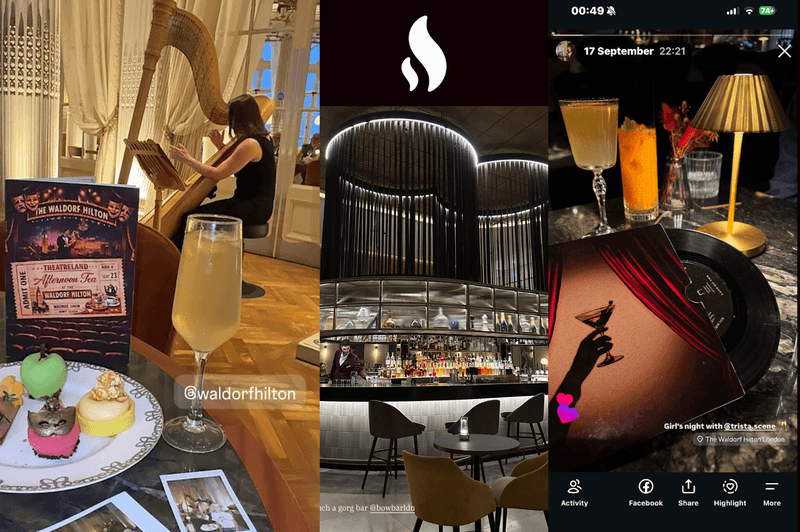
A traveller choosing between hotels might have nine tabs open and close most of them within five minutes. The ones that survive share something: visual proof from a real guest that the experience matches the promise. Perfectly styled, wide-angle shots of rooms with no humans in frame may be cleaner with better aesthetics, but they often don’t have the same impact on the consumer.
In this age of influencers and social media, people are starting to make decisions about accommodation much earlier in their journey, with social feeds and algorithms putting options right in their palm. A still photo from a brand shoot can’t compete with a video that makes a place feel lived-in.
Creator content generates 2.7 times higher engagement than brand-produced content across Instagram and TikTok. For hotels, where the purchase decision is visual and trust-dependent, that gap widens further.
The cost argument
Traditional hotel photography is expensive and ages quickly. A professional shoot covering rooms, F&B, spa, and public areas can run £2,000 to £5,000 for a single property. If you were to refresh this seasonally, you could be spending £8,000 to £20,000 per year on content that audiences are likely to simply scroll past.
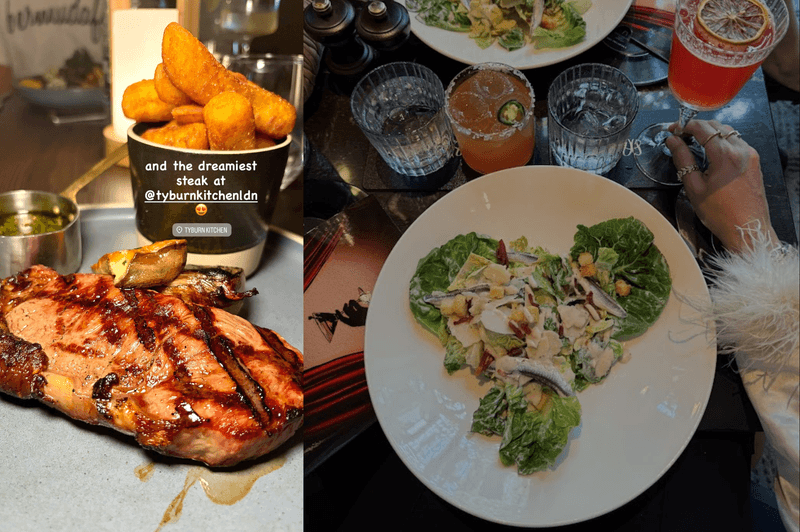
Creator content flips the economics entirely. A single creator stay can produce 10 to 12 usable assets for your hotel: room tours, restaurant content, spa stories, arrival experiences, departure reels. At micro-creator rates, that’s £150 to £600 versus thousands for the same coverage from an agency.
How hotel groups are doing this at scale
Major hotel groups are moving in the same direction. One global chain now works with over 600 creators across more than 400 properties worldwide, after launching a programme that gives nano and micro creators access to hotel stays in exchange for content. They found that engagement from smaller creators consistently outperformed previous campaigns built around bigger names.
That shift tells you something: when a chain with thousands of rooms and a full in-house marketing team still turns to independent creators for content, it's not just a short-lived trend. It's a structural change in how hotels handle their visual content.
But most independent hotels don't have the resources to build a creator programme from scratch. They don't have a partnerships team, a vetting process, or a system for briefing and repurposing content at scale. That's the gap platforms like Pingfluence are designed to fill.
Twelve assets from one stay
A smart hotel gets 12 assets from a single creator visit:
- Arrival/check-in Reel
- Room tour video
- Room detail statics (3 to 4)
- Restaurant/dining content
- Spa or wellness content
- Local area content
- Departure/summary Reel
- Stories coverage (repurposed as highlights)
- A quote or review for website use
- High-res stills for email marketing
- Behind-the-scenes content
- A “what I packed” or “what to expect” piece
All of this content can be produced in just one night. Compared to a traditional full-day shoot, creator content covers a wider range of platforms and has more use cases. The content multiplication alone justifies the switch.
When you still need professional photography
Of course, this doesn’t mean you should abandon professional shoots entirely. They certainly have their uses: architectural and design documentation, content for high-end publications, reference for brand guideline materials. Anywhere that requires pixel-perfect styling and resolution.
But for social feeds, paid ads, website galleries, and booking platforms? Creator content does it better. The data from Pingfluence’s case studies across hotel brands like Clermont Hotel Group (255 collaborations, 978 content pieces, 2.7M+ views) confirms this consistently.
How to start
When it comes to creator content, start small. Invite five to ten micro-creators for complimentary stays over a month. Brief them lightly: highlight your best room category, mention the restaurant, point out anything unique about the property. Then, let them create.
Track engagement, saves, and any booking correlation in the 72 hours after each post goes live. Most hotels that begin this way expand within 60 days because the volume-to-cost ratio is just fundamentally better than what they were doing before. See our demo to find out how we structure creator programmes for hotel groups.