
Oliver
Last updated: 13/11/2026
Understanding What Creators Really Want from Brand Partnerships
Most brand partnership guides are written entirely from the brand’s perspective: what do we want from creators? What metrics should we demand? How do we squeeze the most content from the least spend?
Creators talk to each other. If your collaboration experience is rubbish, word gets around fast. And those creators whose content actually drives results have plenty of options. They’ll just work with someone else. Often without telling you why.
So let’s take a look at this from the other side. What do creators actually want? What makes them say yes? And more importantly, what makes them come back and produce even better content the second, third, and tenth time?
Product quality is the number one factor
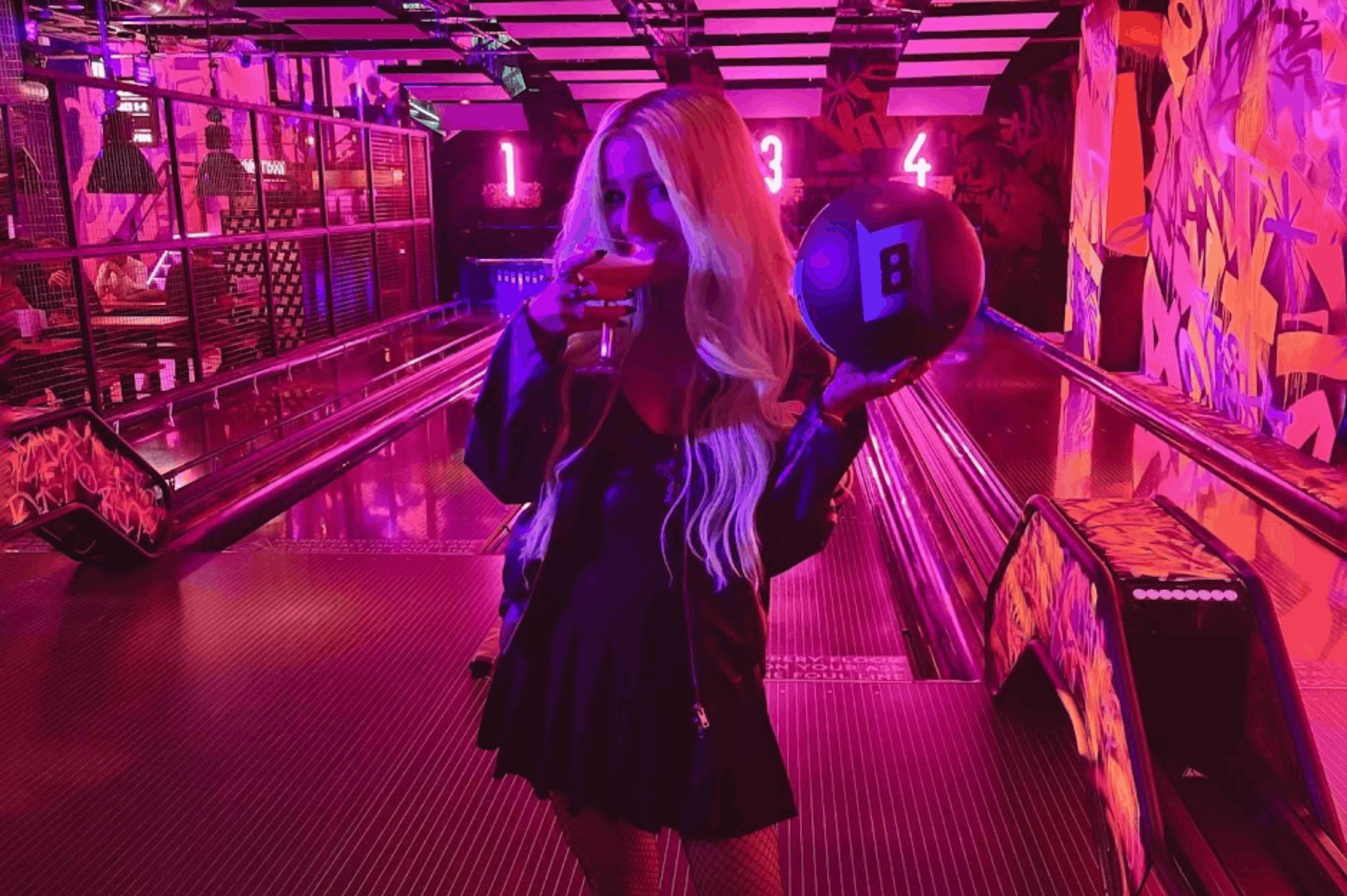
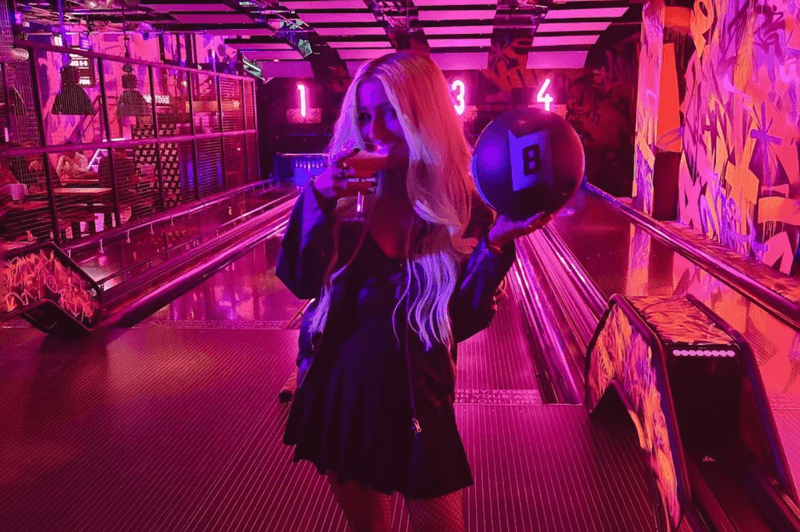
It’s not the fee. Or the exposure. Or your brand account’s follower count. It’s all about the quality of the product that you are asking them to represent. A CreatorIQ survey of 5,095 creators across 100 regions found that 84 percent cite product quality as their top reason for working with a brand.
For hospitality brands, this is genuinely good news. Your product is the experience: a great meal, a brilliant cocktail, an atmosphere that makes people want to stay longer than they planned. If the experience you provide is genuinely good, you’re already 84 percent of the way to a successful creator programme. If it’s not, no amount of influencer budget will fix the underlying problem.
Long-term over one-off
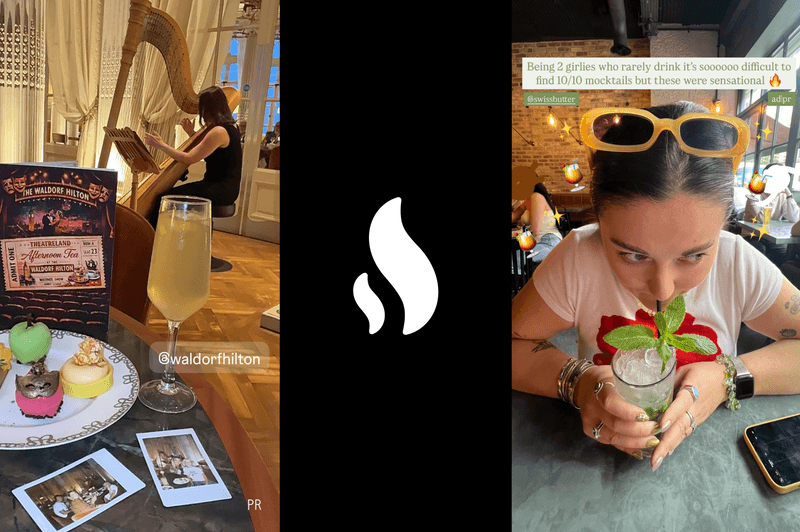
Snapchat research conducted across six markets, including the UK found that 45 percent of creators with over 100,000 followers specifically seek long-term partnerships. Among smaller creators, the preference is even stronger, because consistent work means consistent income.
One-off collaborations have a ceiling. On one hand, the creator doesn’t know your venue well enough to show its personality. On the other, their audience may see a one-time plug and just move on. They lack that compounding effect, the repeated association of “they go there a lot, so it must be good”. In short, they don’t trigger the same response of trust or brand loyalty.
Platforms that structure ongoing programmes (like our always-on model) see this play out in venue data: repeat creator collaborations consistently pull ahead of first-time ones on engagement and booking correlation.
Creative freedom is non-negotiable
The fastest way to kill a collaboration is to over-brief. Creators know their audience. They know what format works, what hooks grab attention, what posting time drives engagement. This is how they’ve built their following, after all. They already understand these things better than the majority of people.
CreatorIQ’s 2026 State of Creators report found that 53 percent of creators with 500,000+ followers experience tension between what their audience wants and what brands demand. That tension produces worse content every single time, without fail.
The brief you send to a creator should fit in a text message. You can include a description of the experience you provide, your handle, and one or two key things you want them to mention. But giving them a full script, mandatory hashtags, and a lengthy review and approval process could turn them away from working with you.
Fair compensation (and what “fair” means in 2026)
Financial compensation is now the top driver of creator satisfaction with brand partnerships, cited by 35 percent of respondents in CreatorIQ’s survey, up 16 percent from 2025. Content creators function as small businesses, with the intent to make real profits. The days of paying in exposure are finished.
That said, fair doesn’t always mean expensive. For hospitality, the exchange model (genuine experiences in return for content) still works brilliantly at the nano and micro level because the experience itself has real value. A £200 tasting menu for two is meaningful compensation for a creator with 5,000 followers. But it’s not as meaningful for one with 200,000.
The key is not pretending the exchange is bigger than it is. A free starter and a tagged story are not a ‘collaboration.’ A full experience, creative freedom, a usage rights conversation, and professional communications? That’s a collaboration.
What drives creators away
Based on what creators consistently report:
- Ghosting after content is delivered. No response, no thanks, no reshare, no relationship building. Just silence once they’ve got what they wanted.
- Unrealistic demands for the compensation offered. Expecting five pieces of content, usage rights, and exclusivity for a free meal.
- Over-briefing. Scripts, mandatory talking points, heavy-handed brand guidelines, four rounds of approval.
- Slow payments. If there’s a fee involved, pay it promptly. Creators are running small businesses with real cash flow needs.
- No rights conversation. Using their content in paid ads or on your website without permission or discussion.
What keeps them coming back
- A genuinely great experience. If the food is incredible and the service treats them like a real guest rather than a marketing transaction, they’ll want to return. Simple as that.
- Professional communication. Prompt, clear, friendly. Treat them like a supplier you value, not a favour you’re doing them.
- Resharing their content. Tagging them, featuring them, making them feel like part of the venue’s story. This costs you nothing and means everything to a creator building their portfolio.
- Consistency. Regular invitations, not just when you desperately need something.
- Creative trust. Let them do what they’re good at without interference.
The venues with the strongest creator networks on Pingfluence aren’t the ones paying the most. They’re the ones whose experience is so good that creators actively seek them out. That’s what you want to build, and it starts with the product, not the budget.