
Oliver
Last updated: 23/11/2026
One week before a venue relaunch, the PR firm for State of Play Hospitality went bankrupt. They had 180 spots to fill with creators and influencers, no agency to do it, and the clock was running out.
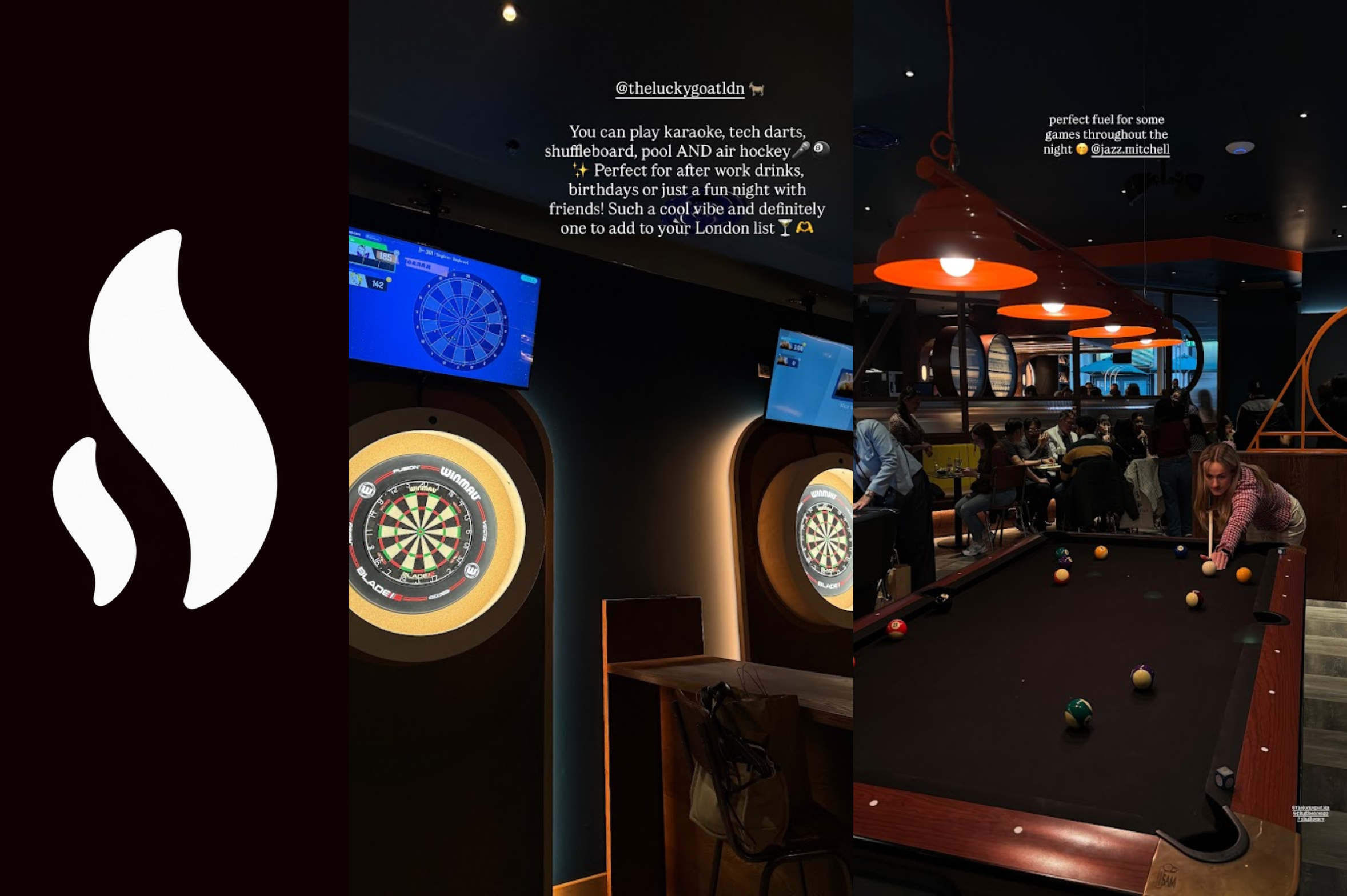
They turned to us at Pingfluence. We helped fill 100 spots through platform listings, newsletter promotions, and push notifications, and the remaining 80 through direct outreach and network. The event went ahead, and the content produced was strong enough to become their ongoing strategy.
This is an extreme example, but it illustrates something broader about this category: competitive socialising venues like State of Play are built for creator content in a way that most businesses can only dream of. Bowling alleys, darts bars, crazy golf spots, and axe-throwing venues have quietly become some of the best-performing categories on TikTok. Not because they’ve cracked some secret algorithm hack, but because their product is inherently filmable, shareable, and fun to watch.
Why this category dominates short-form video
The UK market for competitive socialising has seen growth of 58 percent since 2018, totalling over 800 sites. And the popularity of these sites seems pretty consistent: nearly 1 in 3 adults in the UK visited a competitive socialising venue in the past year, and 41 percent return at least monthly. This isn’t just a one-time experience for a lot of customers, it’s a regular monthly outing with friends.
And the demographic lines up perfectly with social media consumers: 18 to 35 years old, socially active people, who live on their phones and scroll through Instagram and TikTok daily.
The content works because of four built-in advantages:
- Drama. Someone throwing a strike, sinking a trick shot, or completely failing at axe throwing creates natural reactions that TikTok’s algorithm loves. The competition generates saves, shares and rewatches without scripting.
- Group dynamics. Most visits are group activities. Groups mean energy, banter, celebrations, and arguments, all of which is content gold.
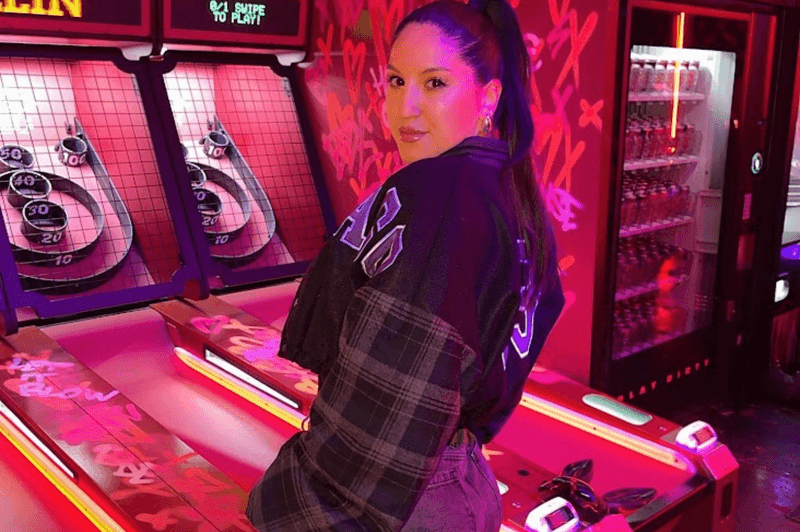
- Visual novelty. Neon lighting, unusual games, themed interiors, food and cocktails served alongside activities. Every angle is a potential thumbnail that stops a scroll.
- Sound. The crack of pins, the thud of an axe, the cheer when someone hits a bullseye. Natural audio hooks that short-form video rewards.
What the top venues are doing differently
Lane7: They’re a multi-activity venue with bowling, beer pong, karaoke, and more. They’ve activated 300+ creators through Pingfluence and seen a direct correlation between content spikes and booking increases. Their approach is always-on creator programmes where new content drops weekly, keeping them permanently visible in local discovery feeds.
Flight Club: Social darts, reinvented. They’ve built the entire brand around shareability. The tech-augmented darts experience is designed to be filmed: slow-motion dart throws, group celebrations, interactive scoreboards that make everyone look good on camera. Every element is a content moment, whether there’s a creator present or not.
Roxy Ball Room: They’re currently expanding aggressively (their Holborn venue opened this month, their third in London). They’ve combined loyalty programmes with social presence, creating a loop where visitors become repeat customers who become organic content creators without anyone asking them to.
The formula
The venues winning aren’t optimising for content. They’re optimising for experiences that naturally produce content. That way, the content comes naturally.
If you design your space to be filmed, with good lighting, interesting backdrops, and shareable moments, the content takes care of itself. You don’t need to tell creators what to post. You just need to give them an experience so good they can’t not post about it.
How to replicate it (even if you’re not Lane7)
First, audit your venue for filmability. Walk through your space with your phone camera open. What looks good? What doesn’t? Maybe you need to fix the lighting in your key activity areas. Or add one or two instagrammable moments: a neon sign, a feature wall, a dramatic entrance. These features only cost hundreds, not thousands.
Importantly, make the activity the content. Don’t ask creators to pose next to a logo. Let them play, and the activity itself will act as the hook. A genuine reaction to sinking a trick shot is worth more than any staged brand moment could ever be.
Then, run volume. Get 15 to 30 creators through your venue per month, not one big influencer once a quarter doing a posed photoshoot by your sign. The algorithm rewards freshness and variety.
Encourage organic content from all visitors, not just influencers. Put your Instagram handle where people can see it while they’re playing. Create a hashtag that’s actually short enough to type one-handed. Make it easy for non-creators to post too, because every group visit is potential organic content. Most groups already have their phones out filming each other anyway.
Finally, repurpose aggressively. The creator Reel that gets 50,000 views organically? That’s your next paid ad. Creator content beats brand-produced content in paid media too, and competitive socialising content especially, because it’s energetic, attention-grabbing, and impossible to scroll past without watching.
The booking correlation
Our data shows a consistent pattern for competitive socialising venues: content spike on Tuesday, bookings increase by Thursday. The lag is short because this category is impulse-driven. Someone sees a group having a brilliant time at bowling on their feed, they tag their mates, and they book for that same weekend.
That impulse-to-booking loop is why consistent content matters more than occasional viral moments. You want to be in feeds every week, not once a quarter hoping something takes off.
The opportunity right now
The sector is growing fast, but most venues are still relying on paid ads and their own brand content. The ones investing in creator programmes now are building an unfair advantage that compounds: a growing content library, algorithmic relevance that feeds on itself, and creator relationships that get cheaper and more productive over time.
If you wait until everyone else is doing it, you’ve already lost that compounding advantage. The best time to start was six months ago. The second-best time is this week.
See how venues like Lane7 and State of Play structure their programmes